
Table of Contents
Introduction
Ever wondered what hides beneath quiet forest soil?
Metal detecting in woods tips can help you turn these hidden spots into real finds instead of wasted walks. Many beginners in the USA explore wooded areas in search of old coins, relics, or forgotten history. But without the right approach, they often miss targets buried under roots, leaves, and uneven ground. That’s why many hunters end up circling the same area without a real strategy.
This guide will show you proven strategies to detect smarter in woods and open fields. You’ll learn how to find better spots, adjust your technique, and avoid common beginner mistakes. We’ll also cover field tips for metal detecting to improve your success rate. This will help you read the land like an experienced detectorist and save hours of random searching.
Why Woods and Farm Fields Hold the Best Hidden Finds
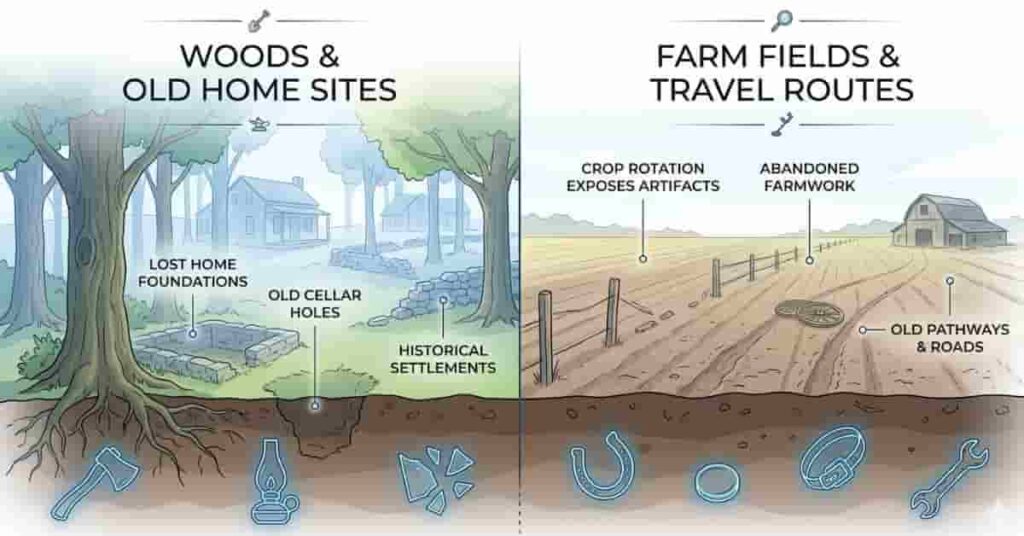
Woods and farm fields are rich in hidden relics and coins. Many detectorists in the USA prefer these areas due to centuries of human activity. Using proper metal detecting tips greatly increases your chances of finding valuable history rather than random junk.
These locations were once active areas for living and working. Over time, nature reclaimed them, but objects remain beneath soil, roots, and grass. Unlike modern parks, these sites are less disturbed, so deeper, older targets often remain untouched.
Here are the main reasons these sites are so productive:
- Old home sites: Foundations of forgotten houses often hide coins, buttons, and household relics just below the surface.
- Civil War and historical activity areas (USA): Campsites, marching routes, and battlefields can still hold military relics such as bullets, buttons, and buckles.
- Abandoned farms: Farm tools, horse tack, and everyday items scatter old work areas.
- Forgotten travel routes: Old roads and paths between towns left behind lost coins and personal items.
Understanding these locations is key to successful detection. Once you identify them, your findings become more consistent and meaningful. Take action: use focused research and practical field tips to improve your results.
Pro Tips
Look for signs like uneven ground, stone clusters, or tree lines. These often mark forgotten settlements.
How to Research Productive Woods & Field Locations
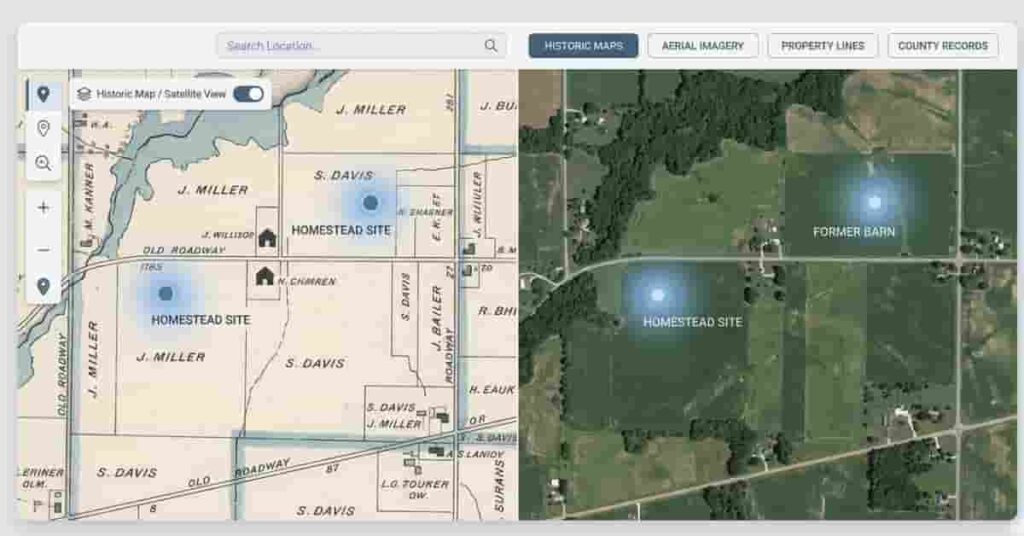
Finding good spots is more important than the detector itself. Many beginners in the USA waste time searching for random woods without doing any research. Smart detectorists use metal detecting in woods tips combined with location research to uncover areas where people actually lived, worked, or traveled. The goal is simple: find places with past human activity, not just any open land.
Good research helps you avoid “dead zones” and focus only on high-potential land. It also increases your chances of finding old coins, relics, and historical items in fewer hours of searching. This step separates casual hobbyists from serious finds.
Here are the most effective research methods:
- Historic maps: Old maps reveal forgotten homes, roads, and settlements that no longer exist today.
- Old property lines: Boundary changes over time can expose former structures that are now hidden in the woods or fields.
- Aerial imagery: Comparing old and modern satellite images helps you spot soil changes, foundations, and past land use.
- County records: Local archives often show land ownership history and abandoned homesteads.
- Talking to landowners: Farmers and property owners can point you to forgotten activity spots and permission-based hunting areas.
Using these methods together gives you a clear picture of where to hunt. This approach turns random searching into targeted detecting. It also aligns perfectly with advanced metal detecting field tips, helping you spend more time finding and less time wandering.
Takeaways
Research is the most powerful tool in metal detecting. Good locations matter more than expensive equipment.
15 Proven Tips for Metal Detecting in Woods and Fields
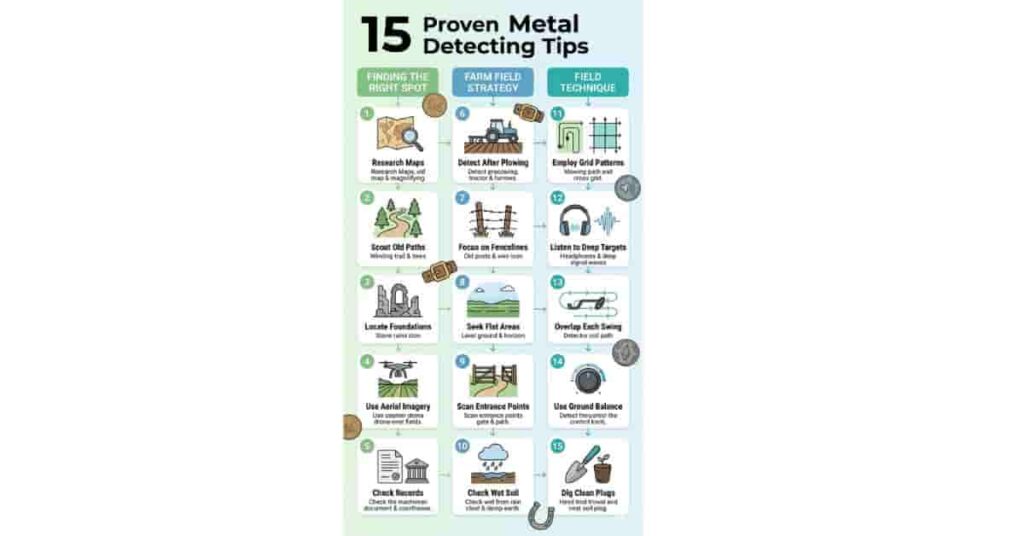
Success in rural detecting comes down to smart habits, not luck. Many beginners rush through woods and fields, missing deep or hidden targets. These metal-detecting in-woods tips and field strategies help you read the land, detect with purpose, and recover more relics in less time. Woods and open farmland in the USA often hide old activity zones that reward careful, slow searching.
Below are 15 proven tips split into three practical sections to improve accuracy, depth, and efficiency.
1. Look for Large Old Trees
Old trees often mark former homesteads or gathering spots. People used them for shade, meetings, and livestock control. Soil around these trees is often rich with dropped items.
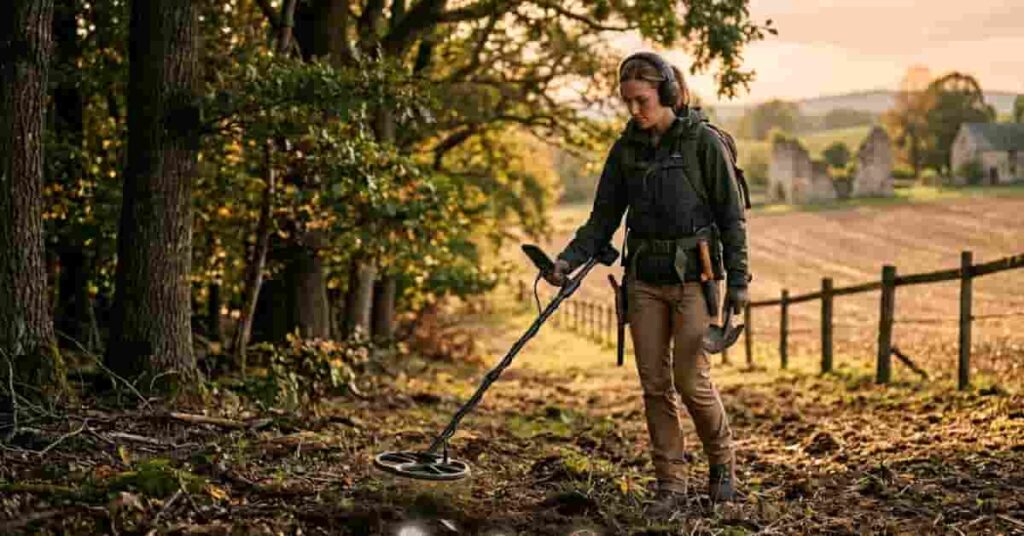
Image Idea: Large isolated oak tree in open woodland with detectorist scanning nearby.
Alt text: Metal detecting near a large old tree in the woods, indicating a historical activity spot in rural USA land.
2. Search Near Stone Foundations
Stone remains often mark forgotten buildings. These areas produce coins, buttons, and household relics.
3. Detect Around Old Wells and Water Sources
Water attracted daily human activity. Wells and springs are high-probability target zones.
4. Follow Old Fence Lines
Fence lines marked property borders and animal routes. Items often fell or were dropped along them.
5. Focus on Elevated Ground
Higher ground stayed dry and was often used for building homes. These spots hold deeper historical targets.
6. Hunt After Plowing Season
Freshly turned soil brings deep items closer to the surface, making them easier to detect.
7. Detect After Heavy Rain
Rain softens soil and improves signal clarity. It also exposes new targets naturally.
8. Walk Slow and Scan Deep
Slow movement helps your coil pick up faint signals that fast sweeping misses.
9. Revisit Fields Multiple Times
Fields often “reset” after farming activity. Each visit can reveal new finds.
10. Focus on Entry Points & Gates
People dropped items while entering or exiting fields. These are high-traffic zones.
11. Use a Larger Coil for Open Land
Bigger coils cover more ground and reach deeper targets in wide fields.
12. Lower Discrimination for Relics
Reducing discrimination helps you detect old iron relics and mixed signals.
13. Listen for Faint Iron-Adjacent Signals
Good targets often hide near iron trash. Train your ear to separate signals.
14. Use a Grid Pattern in Open Areas
Grid searching ensures full coverage and prevents missed sections.
15. Mark Productive Zones for Return Visits
Track successful spots so you can return and expand your finds later.
Pro Tips
Experienced detectorists often return to the same field multiple times and still find new relics. The key is patience and improved technique, not rushing the ground.
Best Detector Settings for Woods & Field Hunting
Getting the right settings can make or break your success in rural areas. Woods and farm fields in the USA often have uneven soil conditions, old iron contamination, and deep targets. That’s why properly adjusting your detector is a key part of metal detecting in the woods. Good settings help you detect deeper targets while reducing false signals and missed relics.
In mineralized soil, signals can become unstable. Leaves, roots, and uneven ground also affect accuracy. The goal is to balance depth, stability, and target clarity so you don’t overlook valuable finds hidden below the surface.
Here are the most important settings to focus on:
- Sensitivity in mineralized soil: Lower sensitivity slightly if your detector becomes noisy. Too much sensitivity can create false signals in mineral-heavy ground.
- Ground balancing: Always adjust to match local soil conditions. Proper ground balance helps your machine ignore natural minerals and focus on metal targets.
- When to use all-metal mode: Use all-metal mode when hunting relic-rich areas. It increases depth and helps you detect weak signals, but expect more digging.
- Handling iron-heavy areas: In old fields and woods, iron trash is common. Use discrimination carefully, but don’t block too much, or you may miss good targets hiding near iron.
These settings are not “one size fits all.” Conditions change from field to field, so small adjustments matter. Experienced detectorists constantly fine-tune their machines as they move across different terrain. This is where advanced metal detecting field tips really improve your results.
Common Mistakes When Detecting in Woods or Farm Fields
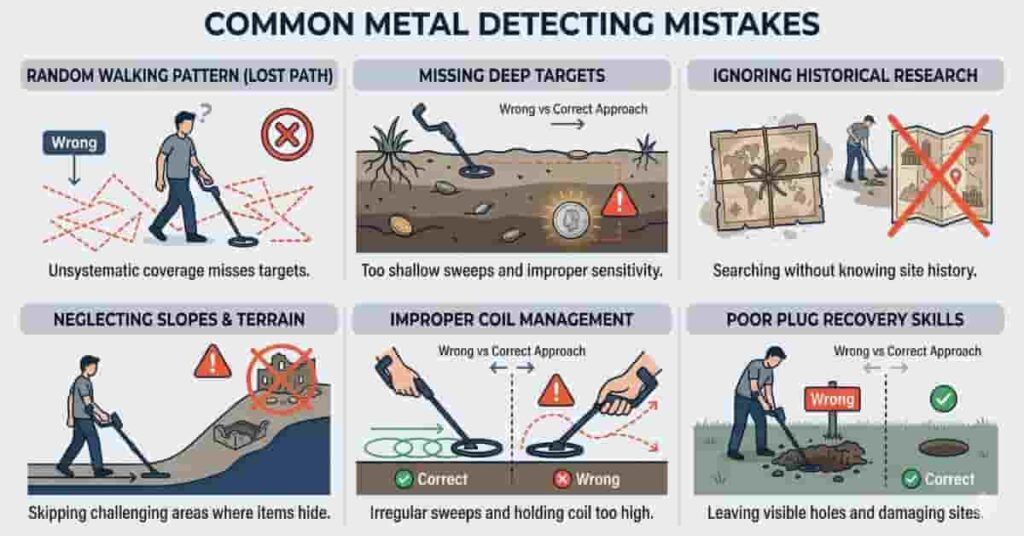
Many beginners lose good targets not because their detectors are weak, but because their approach is wrong. Woods and farm fields require strategy, patience, and awareness of the land. These metal detecting in woods tips will also help you avoid the most common errors that reduce finds and waste time in the field.
If you fix these mistakes early, your success rate improves fast. Most experienced detectorists learn these lessons the hard way, often after missing valuable relics just a few steps away.
Here are the biggest mistakes to avoid:
- Ignoring research: Jumping into random land without studying maps or history leads to low-quality sites and wasted effort.
- Detecting randomly without a pattern: Walking aimlessly causes missed spots. Always use a grid or systematic sweep.
- Missing deep targets: Many relics sit deeper in woods and old fields. Shallow scanning leads to overlooked finds.
- Not checking slopes & edges: Hillsides, field edges, and transition zones often hold dropped items from past movement.
- Giving up too soon: Productive sites often require multiple visits. One trip is rarely enough to fully explore an area.
Avoiding these mistakes instantly improves your efficiency and accuracy. Good detecting is about discipline, not speed. The more controlled your approach, the better your chances of uncovering meaningful history hidden beneath the soil.
What You Can Realistically Find in Rural Locations
Rural land in the USA holds some of the most exciting and meaningful discoveries for detectorists. Woods and farm fields have been used for generations, so the ground often hides items lost during daily life, travel, and farming activity. Using smart metal-detecting tips for the woods helps you focus on areas where people actually lived and worked, increasing your chances of real finds.
Unlike modern parks, rural sites often contain deeper and older targets. These items are not always valuable in money, but they carry strong historical value and tell stories from the past.
Here’s what you can realistically expect to find:
- Old coins: Pennies, nickels, and silver coins are commonly lost near old homes, paths, and gathering spots.
- Civil War relics: In historically active US regions, you may find bullets, buttons, and military gear associated with troop movements or camps.
- Farm tools: Broken or lost parts, nails, and hardware are common in agricultural areas.
- Buttons & buckles: Clothing items often fall off during work, travel, or daily life, especially near old homesteads.
- Horse tack: Items like harness pieces, reins fittings, and horseshoes reflect older transportation and farming methods.
These finds may seem simple, but they connect directly to real human history. That’s what makes rural detecting so rewarding. Every signal could represent a story buried for decades or even centuries.
Permission & Legal Considerations (USA Focus)
Before you start metal detecting in woods or farm fields, you must understand the legal side. Many promising spots look open and empty, but they are still private property. In the USA, unauthorized detection can lead to fines or permanent access loss. Good metal-detecting in the woods always includes legal preparation, not just field technique.
Respecting laws and landowners also builds trust. Many of the best detecting locations come from long-term relationships with farmers and property owners. If you handle permission correctly, you can return to productive sites again and again.
Here are the key legal points to follow:
- Private property rules: Most woods and fields are privately owned. Always confirm ownership before entering or detecting.
- Farm owner permission: Always ask the landowner directly. A simple, respectful request often leads to long-term access opportunities.
- State historical protections: Some areas are protected due to historical significance. Removing artifacts from these zones may be restricted or illegal under state law.
- Leave-no-trace ethics: Always refill holes, remove trash you dig, and leave the land exactly as you found it. This protects your reputation as a responsible detectorist.
Following these rules is not just about avoiding problems. It also protects the hobby for future detectorists. Ethical behavior ensures landowners stay open to granting access, which is essential for long-term success in metal detecting field tips and rural hunting.
Pro Tips
Always carry a simple permission note or contact card when asking landowners. Clear communication increases your chances of getting access to high-quality fields and wooded areas.
Conclusion
Metal detecting in woods and farm fields is all about smart research, proper technique, and patience. You learned how productive rural locations form, how to research them, and how to avoid common mistakes while hunting. These metal-detecting-in-the-woods tips help you focus on real targets instead of random searching.
Success comes from using the right settings, respecting permissions, and understanding how land was used in the past. With consistent effort, even simple fields can reveal coins, relics, and hidden history.
Now it’s your turn to put these strategies into action. Try these tips on your next outing and notice the difference in your finds. Share your experiences in the comments and explore more metal detecting field tips on our site to improve your skills further.

Ethan Callaway is a passionate metal detecting enthusiast based in Savannah, Georgia, USA. Currently pursuing a B.S. in Archaeology & Historical Preservation at the University of Georgia, he combines his love for treasure hunting with research-backed insights on metal detecting techniques, safety practices, and site guidance.
Through MetalDetectingUSA.com, Ethan shares practical tips, honest product reviews, and beginner-friendly advice to help both new and experienced detectorists explore metal detecting across the United States with more confidence and understanding.